

Not all fruits are the harmless, nutrient-packed treats they appear to be. While the majority offer vitamins, fiber, and antioxidants that support health, certain ones harbor potent toxins that can cause severe illness, organ damage, or even death—especially when consumed improperly, in excess, or by vulnerable individuals. Health experts and toxicologists highlight these risks, emphasizing proper preparation, moderation, and caution with exotic or lesser-known varieties.
Here are five of the most dangerous fruits in the world, backed by scientific reports and documented cases:
Ackee Fruit (Blighia sapida) – Jamaica’s national fruit looks inviting with its bright yellow pods, but unripe ackee is highly toxic. It contains hypoglycin A and B, compounds that disrupt fatty acid metabolism, leading to severe hypoglycemia (dangerously low blood sugar), violent vomiting, seizures, coma, and potentially fatal “Jamaican vomiting sickness.” The toxin is concentrated in unripe arils and seeds; only fully ripe, opened pods with black seeds removed are safe after proper cooking. Historical outbreaks in Jamaica and rare imported cases underscore the danger—ingestion of unripe fruit has caused deaths, particularly in malnourished children.
Elderberries – Prized for immune-boosting properties in cooked jams, syrups, and teas, raw elderberries (Sambucus species), along with leaves, stems, and unripe fruit, contain cyanogenic glycosides like sambunigrin. These release cyanide during digestion, potentially causing nausea, vomiting, diarrhea, dizziness, and in large amounts, severe cyanide poisoning with respiratory failure. Cooking for at least 20 minutes destroys the toxins, making processed elderberry products safe. Raw consumption has led to reported poisonings, including hospitalizations from homemade juices or foraged berries.
Star Fruit (Averrhoa carambola) – This tropical star-shaped fruit is refreshing and rich in vitamin C, but it poses a serious threat to people with kidney disease or impaired renal function. It contains high levels of oxalates and a neurotoxin called caramboxin, which accumulate in the blood when kidneys can’t filter them effectively. Symptoms include confusion, intractable hiccups, seizures, coma, and death—even from moderate amounts. Cases of acute kidney injury and fatalities have been documented in patients with chronic kidney disease, with neurotoxicity sometimes occurring independently. Healthy individuals generally tolerate it well in moderation, but those with renal issues should avoid it entirely.
Manchineel Fruit (Hippomane mancinella) – Dubbed the “little apple of death” and recognized by Guinness World Records as linked to one of the most toxic trees, this small green fruit resembles a crabapple and grows in coastal Caribbean, Central American, and Florida regions. Every part of the tree—fruit, sap, leaves, bark—is laced with potent toxins like phorbol esters and hippomanins. Eating even a small bite causes intense burning in the mouth and throat, severe gastrointestinal distress, swelling, and potentially fatal systemic effects. Contact with sap causes blistering burns on skin, and rain dripping from leaves can irritate eyes or skin. Standing under the tree during rain has caused blindness or severe dermatitis—no modern fatalities from ingestion are widely reported due to warnings, but it’s extremely hazardous.
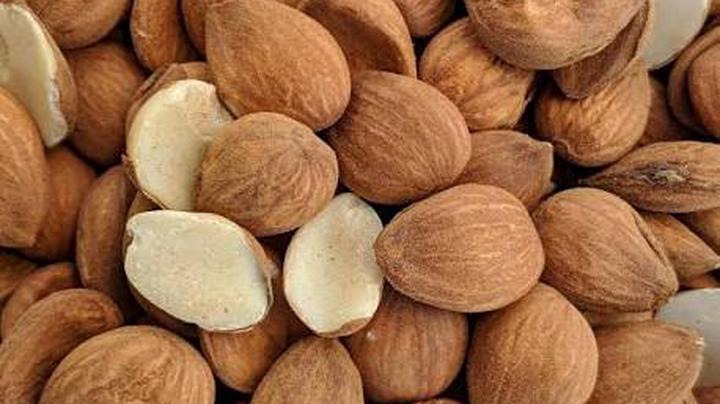
Apricot Seeds (Kernels) – Often promoted online as a natural “cancer cure” due to amygdalin (laetrile), these seeds release cyanide when chewed or digested. Just a few raw kernels can cause acute cyanide poisoning, with symptoms like headache, dizziness, nausea, rapid breathing, seizures, coma, and death. Regulatory bodies like the EFSA and FDA warn that exceeding tiny amounts (e.g., more than 3 small kernels for adults) exceeds safe cyanide limits. Documented cases include hospitalizations and fatalities from self-medication attempts, despite no proven anti-cancer benefits.
