
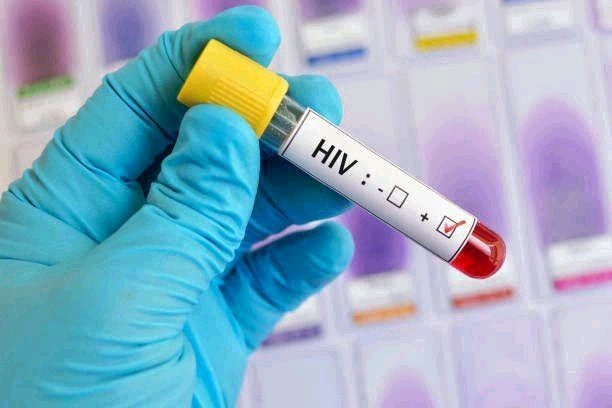

HIV, or human immunodeficiency virus, affects the immune system. For many people, a healthy person may not show symptoms right away. The time it takes varies depending on the individual and their immune response.
In the first stage, called acute HIV infection, symptoms may appear 2 to 4 weeks after exposure. These can include fever, sore throat, swollen glands, rash, and fatigue.
Some people may not notice these symptoms because they are mild or similar to the flu.
After this early stage, HIV enters a stage called clinical latency. During this time, the virus is still active but reproduces very slowly. This stage can last many years, often 5 to 10 years or longer, without noticeable symptoms. A person can feel healthy and may not know they are infected.
As the immune system becomes weaker, symptoms start to appear more clearly. These can include frequent infections, weight loss, night sweats, persistent didiarrhoea and swollen lymph nodes. This is a sign that HIV may be progressing to AIDS, the most severe stage of the infection.…Keep reading the full & the viral video now.
