
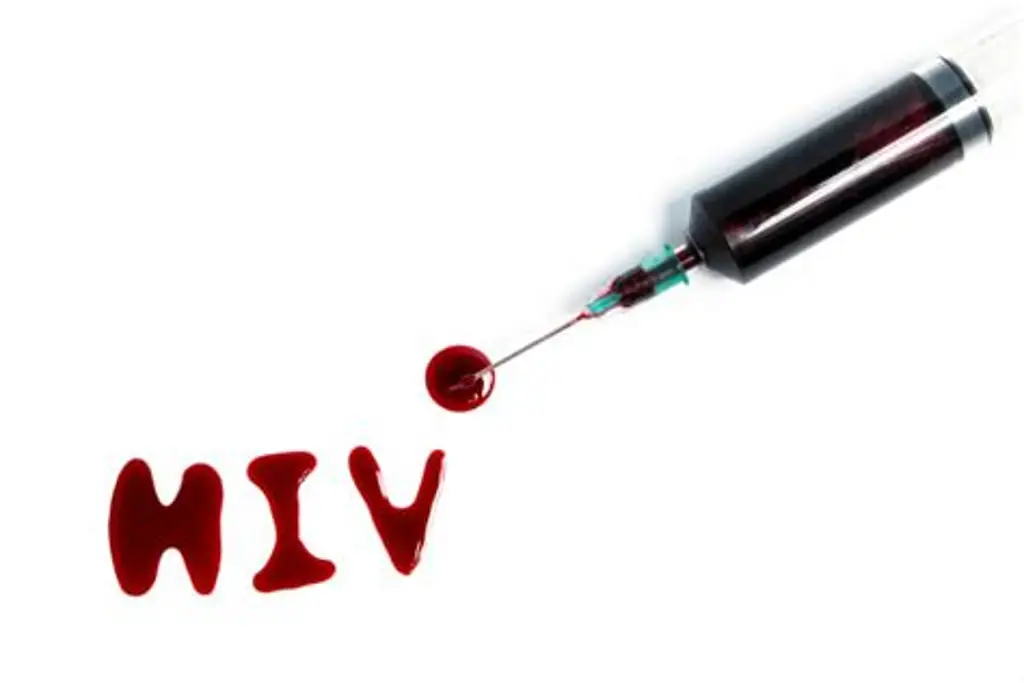

Human Immunodeficiency Virus (HIV) affects the immune system and, without treatment, can gradually weaken the body’s ability to fight infections. One of the most important things to understand is that HIV does not always cause noticeable symptoms, especially during the early stages. The only reliable way to know your HIV status is to take an HIV test.
Early warning signs
Some people develop flu-like symptoms within a few weeks after acquiring HIV. These may include:
Fever
Sore throat
Swollen lymph nodes
Headache
Muscle or joint aches
Skin rash
Unusual tiredness
Night sweats
Mouth ulcers
These symptoms can resemble many common illnesses, so they cannot confirm that someone has HIV.
Signs that may occur later
If HIV remains untreated for a long time, the immune system can become increasingly weakened. A person may experience unexplained weight loss, persistent or recurring fever, prolonged diarrhoea, recurrent infections, swollen lymph nodes, night sweats, or persistent fatigue.More serious infections and illnesses can also occur when the immune system becomes severely weakened.
Why testing matters
Because HIV can be present without obvious symptoms, waiting for warning signs is not a reliable way to determine your status. If you have had a possible exposure, getting tested is the best way to find out. Modern HIV treatment can suppress the virus and help people with HIV live long, healthy lives. When treatment reduces the virus to an undetectable level and it remains undetectable, HIV is not sexually transmitted
Protecting yourself
Reducing HIV risk includes using condoms correctly, avoiding sharing needles or other equipment that can expose you to blood, and considering PrEP if you are at ongoing risk. If you think you may have been exposed recently, seek medical advice promptly because PEP can help prevent HIV when started as soon as possible and within 72 hours of exposure.
The bottom line
Symptoms alone cannot tell you whether you have HIV. If you are concerned about a possible exposure, don’t panic and don’t rely on symptoms—get tested and seek professional medical advice. Knowing your status allows you to make informed decisions about your health and, if necessary, start treatment early.
