
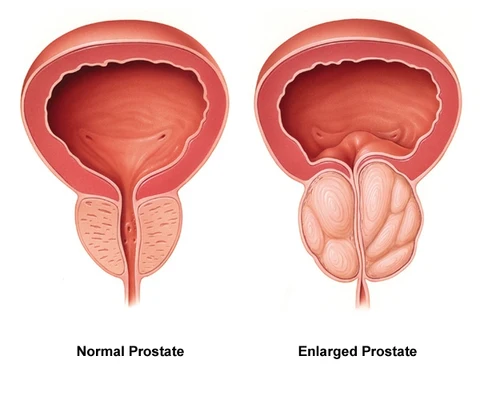

As men get older, changes in the prostate become more common. The prostate is a small gland located just below the bladder and around part of the urethra, the tube that carries urine out of the body.
When the prostate becomes enlarged, it can put pressure on the urethra and make urination more difficult. This condition is known as benign prostatic hyperplasia (BPH). Although BPH is not prostate cancer, ongoing urinary problems should not be ignored because similar symptoms can occur with other prostate or urinary conditions. Here are five early warning signs every man should pay attention to:
1. Frequent Urination
One of the most common signs is needing to urinate more often than usual. This may be especially noticeable at night, when a man may wake up several times to use the bathroom.
Frequent nighttime urination can interrupt sleep and leave you feeling tired during the day.
2. Difficulty Starting Urination
You may feel a strong need to urinate but have difficulty getting the urine to start flowing. Sometimes, you may have to wait several seconds before the stream begins.
This can happen when an enlarged prostate puts pressure on the urethra and makes it harder for urine to pass.
3. Weak or Interrupted Urine Flow
Another warning sign is a urine stream that becomes weaker or slower than it used to be. The flow may also stop and start several times while you are urinating.
These changes can occur when the enlarged prostate narrows the passage through which urine leaves the bladder.
4. Feeling That Your Bladder Has Not Emptied
After urinating, you may still feel as though there is urine left in your bladder. You might even feel the need to use the bathroom again shortly afterward.
If this happens regularly, it is important to have the problem evaluated by a healthcare professional.
5. A Sudden or Urgent Need to Urinate
An enlarged prostate can also cause urinary urgency. This means you may suddenly feel that you need to urinate immediately and have difficulty holding it for very long.
For some men, this can become inconvenient, particularly when they are away from a toilet.
Don’t Ignore Persistent Changes
These symptoms can develop slowly, and some men may dismiss them as a normal part of getting older. However, persistent or worsening urinary problems should not simply be ignored.
A healthcare professional can assess your symptoms and determine whether they are related to BPH or another condition. Depending on the severity, treatment may involve lifestyle changes, medication, or other medical procedures.
Seek urgent medical attention if you are unable to urinate, experience severe pain, or notice blood in your urine.
Paying attention to changes in urination can help you get the right care early and protect your bladder health, sleep, comfort, and overall quality of life.
