
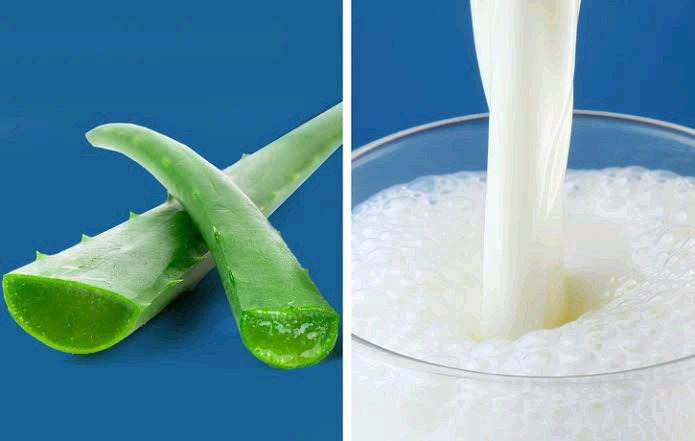
Aloe Vera And Milk Does Wonders When Mixed Together : Here Are The Secret Benefits Of This Mixture

Aloe vera has been used for centuries in skincare, haircare and traditional wellness practices. While many people know it for soothing the skin, aloe vera gel can also be used in certain foods and drinks when properly prepared.
One popular way to consume aloe vera is by adding a small amount of the inner gel to a smoothie. When combined with ingredients such as milk, coconut milk, bananas or strawberries, it can make a refreshing and nutritious drink.
What Is Aloe Vera?
Aloe vera is a succulent plant with thick, fleshy leaves. Inside the leaves is a clear gel that is commonly used in moisturizers, soaps, cosmetics and other personal-care products.
The gel is also sometimes used in foods and drinks. However, the clear inner gel should be separated carefully from the outer leaf because the yellow latex found beneath the skin can have a strong laxative effect and may cause side effects when consumed.
Can You Eat Aloe Vera?
Yes, the clear inner gel of aloe vera can be consumed when properly prepared.
The gel can be eaten raw, but it has a distinctive taste that some people may find unpleasant. This is why many people prefer blending a small amount into smoothies with fruits or other ingredients.
Before consuming aloe vera, wash the leaf thoroughly, remove the outer skin and rinse the clear gel well to remove any remaining yellow latex.
Potential Benefits Of Aloe Vera
Aloe vera contains water and various plant compounds. Its traditional uses and potential benefits include:
Supporting hydration when included in a healthy drink
Providing some antioxidant compounds
Supporting normal digestive health
Soothing the skin when applied externally
Helping keep the skin moisturized
Providing a source of nutrients when combined with fruits and other healthy ingredients
Some studies have also examined aloe vera in relation to blood sugar and other health conditions, but more research is needed, and aloe vera should not be considered a replacement for medical treatment.
Aloe Vera And Milk
Combining aloe vera gel with milk can create a creamy drink. Milk provides protein, calcium and other nutrients, while aloe vera contributes its plant compounds and refreshing texture.
You can also use coconut milk or another milk alternative if you prefer.
Simple Aloe Vera Smoothie Recipe
Ingredients
¼ cup properly prepared aloe vera gel
1 banana
1 cup frozen strawberries
1 cup coconut milk or regular milk
A small amount of honey or sugar, optional
How To Prepare It
Add the aloe vera gel, banana, strawberries and milk to a blender.
Blend until the mixture becomes smooth and creamy. If the smoothie is too thick, add a little more milk until you reach your preferred consistency.
Frozen bananas and strawberries can help make the smoothie naturally creamy without adding ice, which can dilute the flavor.
Pour into a glass and enjoy immediately.
Tips For Making Aloe Vera Smoothies
Use only the clear inner gel: Avoid consuming the outer leaf and yellow latex because they can cause digestive problems.
Wash the gel properly: Rinse the gel thoroughly after removing it from the leaf.
Blend until smooth: Blending for a minute or two can help produce a smoother drink without large pieces of aloe.
Drink it fresh: Fresh smoothies generally taste best immediately after preparation. If you need to store one, keep it refrigerated in a covered container and consume it promptly.
Don’t overdo it: More aloe does not necessarily mean more benefits. Start with a small amount, especially if you have never consumed aloe vera before.
Important Safety Note
Aloe vera is not suitable for everyone. Consuming aloe latex can cause diarrhea, stomach cramps and other digestive problems. People who are pregnant, breastfeeding, taking medications or living with an existing health condition should speak with a healthcare professional before regularly consuming aloe vera.
Aloe vera can be an interesting addition to a smoothie, but it should be viewed as a food ingredient rather than a cure for diseases or a replacement for medical treatment.
